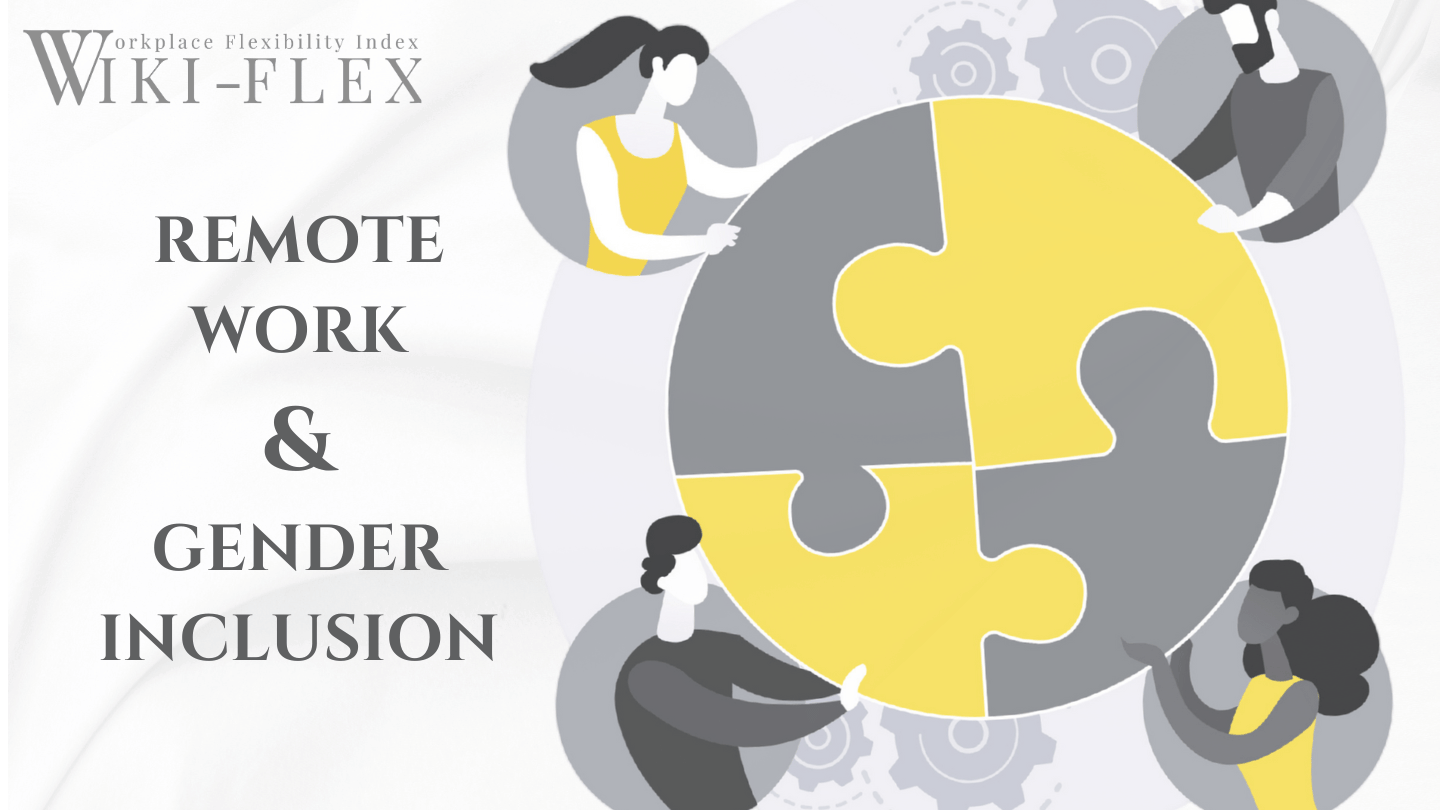
As a country, India has one of the lowest female labour force participation rates in the world. A host of reasons come into play here – most women are primary caretakers at home, have unequal access to education and technology, and have trouble managing home and work. Gender roles in society mandate child and elder care as sole responsibilities of women and the same occupy a major chunk of their time.
The Periodic Labour Force Survey (PLFS) annual report for July 2020 to June 2021 shows that the estimated Female Labour Force Participation Rate in the country is 25.1%. That is 2.3 percentage points higher than the year before, but it is still a distressing number. It is less than even half of what the Male Labour Force Participation Rate in the country is. (It was reported to be 57.5 per cent in the same survey.)
While strong policy work is required for benefits to flow towards women who work or can work in the informal sector, remote work will not just support but also catapult gender inclusion in the formal sector and labour force of the country.
More companies, start-ups and employers are now looking at the new work model as a more economical, feasible, and productive model that should be separated from the reason it got a boost in the first place – the pandemic.
Digitalisation, remote education, and work-life integration are massive benefits of remote work but they serve men and women equally. Then, how does remote work specifically make a case for gender inclusion, introduce advantages to women and drive them into the workforce?
Workplace Flexibility and Women’s Careers
A Zapier report in 2019 found that female knowledge workers were more likely than their male colleagues to quit a job because their workplace didn’t give them an option to have flexible schedules.
In the same report, 62 per cent of women in knowledge jobs named the option to work remotely as one of the perks they most wanted, compared with 53 per cent of men in knowledge jobs. While the Zapier report is from 2019, studies dating as far back as 2013 have also shown similar patterns – women being more than twice as likely as men to give up on career aspirations in the face of inflexible work arrangements.
Women working or wanting to work in knowledge jobs are obviously educated and skilled. What, then, makes them put themselves second, sacrifice careers or simply not start one? The reasons are gender roles, societal norms, and endless webs of childcare, home care, elder care, and family responsibilities.
In India, the recent paradoxical trend in terms of women’s education and employment only gives more weight to the above reasons. While the number of educated women at all levels is consistently rising, and they now have more opportunities for education than ever, the same does not materialise in employment for women in the country.
How Remote Work Advances Gender Inclusion
Insert remote work here, and it ties many loose ends together. Since women have been marginalised and remain a continuous victim of societal constraints, remote work emerges as a godsend bridge that will benefit them more than men.
First, it acts as a junction for women who are educated and willing but unable to work owing to unjust cultural and social structures. For example, a lack of support from family to move out discourages many women from pursuing a career in their field of choice. Remote work will help them find their ground by giving them access to remote jobs at thousands of firms and companies across the world.
The new work model also connects educated and skilled women who remain unemployed due to a dearth of local opportunities to knowledge jobs where their skills and potential are justly rewarded.
Remote work is also a glorious window of opportunity for women who would like to work but have put their careers on pause since they are occupied with being the primary caretaker of their children and parents. The opportunity to work for a company from the comfort of their home will liberate them from the constraints that their personal obligations bring with them and help them reset their ambitions and professional priorities.
In a lot of ways, remote work will dismantle the ramifications of the existing societal and domestic boundaries that women are forced to recede into. By introducing them to opportunities to work from home and gain financial independence, there is increasing hope that now gender disparities at home and work will also be addressed more concretely than ever.