At times, beliefs in this myth are underpinned by deeper insecurities emanating from a need for control or a need to micro-manage. A true self-evaluation can help one think through whether this is the case. It is a well-accepted fact that micro-management causes much harm, from low morale, high turnover and inefficiency to instability.
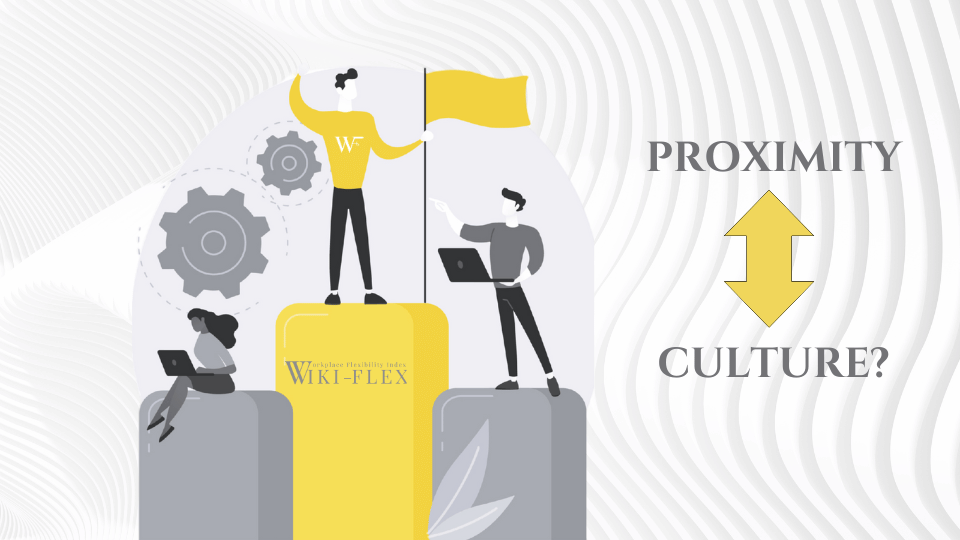
Of course, at other times, some may have genuine concerns that remote work weakens culture. They should rest easy, however.
Company Culture Adapts to Remote and Hybrid Work
Culture is an ever-evolving concept and is rarely constant.
All cultures dynamically adapt to changes. In fact, a transition to a hybrid or remote work environment, with a remote work policy designed and orchestrated with this in mind, can actually elevate a business and its culture and corporate identity.
Clarity, Responsibility and a Focus on Delivery
It leads to increased role and goal clarity and a shared responsibility.
Moreover, with ‘work delivery’ becoming the primary arbiter, there is an increased feeling of responsibility to ‘deliver’.
As this sinks in, there is an overall improvement in culture while ‘perception-management’ as a means of advancement takes a back seat.
It takes work and expertise, but the long-term benefit is an improved cost structure with a happier and more responsible workforce that is delivery focussed.