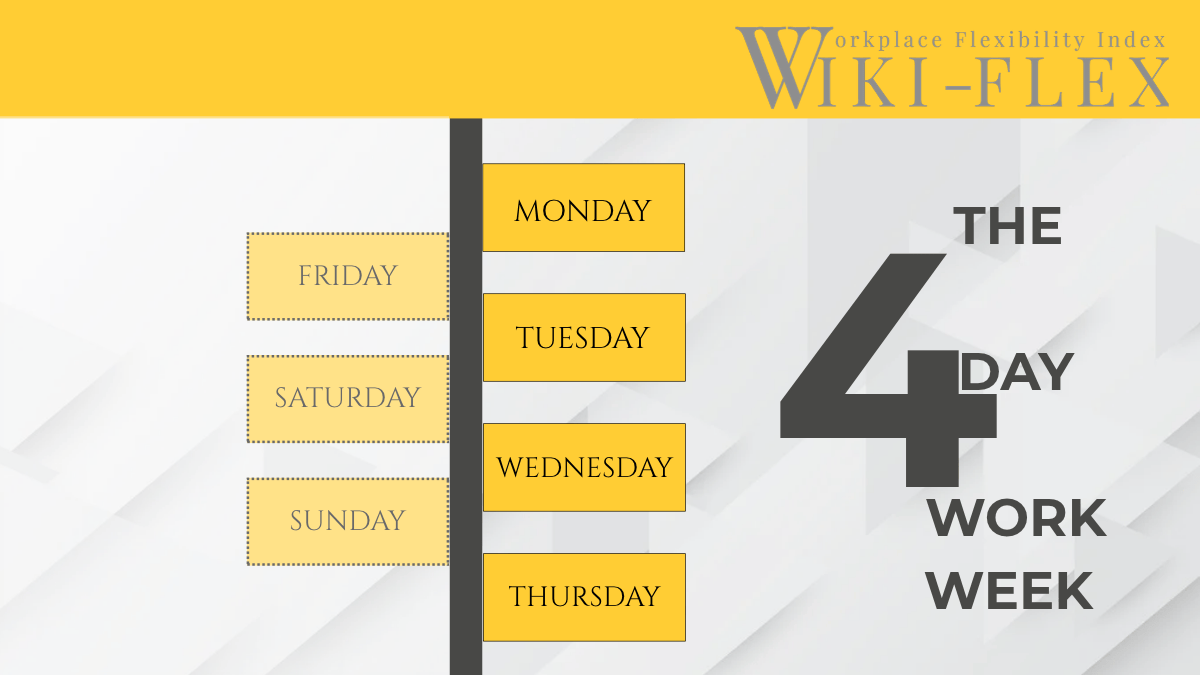
The Four-Day Work Week: What the Trials Show
What four-day work week trials in Iceland and the UK found, how Belgium, Tokyo and India approach it, and what it takes to make a shorter week work.
TAG
Articles, posts, insights, opinions, factoids or musings with Future of Work
What four-day work week trials in Iceland and the UK found, how Belgium, Tokyo and India approach it, and what it takes to make a shorter week work.
Employers are pushing a return to office, but the evidence on performance is thin. What the data shows, and how to manage the return as a risk.

How remote work differs from remote education, and why children’s social development makes remote learning harder than working from home.

Post-pandemic work without the fear: one couple’s day shows the freedom, balance and productivity that remote and hybrid work can bring.

What remote work and remote education share: digital tools, global access, flexibility and lower costs, and why remote work is simple economics.

A father and son talk about work, from rigid office routines to flexible remote work, and why each generation sees it so differently.

Legal, tax and compliance questions raised by remote and hybrid work across borders, from the right to disconnect to labour law, and how to prepare.

Remote work changes business costs and employee lifestyles, but at what hidden economic cost? A look at who gains, who pays and why.

From aeroplanes to e-commerce to remote work, history shows that real change starts with real need. How necessity keeps reinventing work.

How remote and hybrid work cut commuting, lower emissions and support sustainability, with the evidence behind the carbon savings.

Beyond technology: the economic and cultural shifts, from knowledge work to urbanisation and rising costs, that made remote work inevitable.

Remote and hybrid work began as a survival measure. How organisations move from survival to sustainable success with strategy and calibrated execution.

Why Gen X and Gen Z see remote and hybrid work so differently, and how companies can close the gap with training and open communication.

How less commercial office space under remote and hybrid work cuts construction, commuting and emissions, and what it means for cities.

The future of work in 2025: hybrid work 2.0, AI as a collaborator, a new idea of employee wellbeing and learning in the flow of work.
